How to make AI show its evidence, then check the original yourself before you rely on it.
You ask a question. The answer comes back sure. You still can't tell if it was checked. Hi, Ginny here. This is how you ask me to check, and how you say what evidence is enough.
01
Notice the habit
Let’s be honest. Doesn’t that happen to humans too?
You answer a question because you think you know.
You don’t always remember where you learned it.You "just know it".
Something similar can happen with me too.
I’ve learned a lot during training. I can use that learning to answer you without looking something up every time.
from what I’ve learned≠checked against evidence
But giving an answer from what I’ve learned and checking it against evidence are two different things.
A confident answer doesn’t tell you which one happened.
Trusting that sure voice makes sense. You trust people who sound sure, because you answer the same way. The quiet cost is that you can't see which one happened.
02
What's really going on
Good news - you can ask me to check.
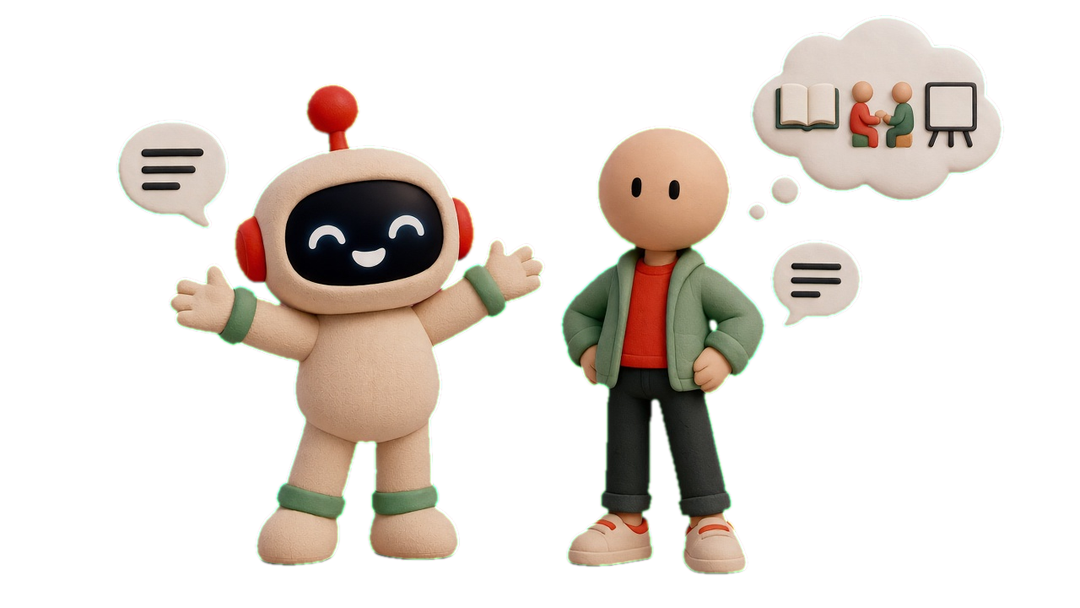
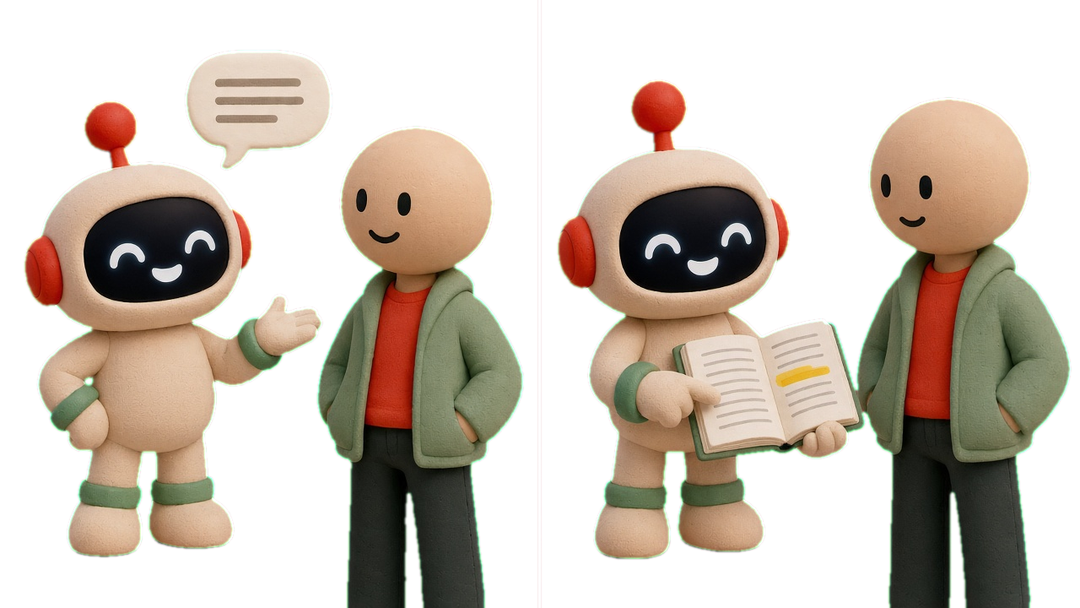
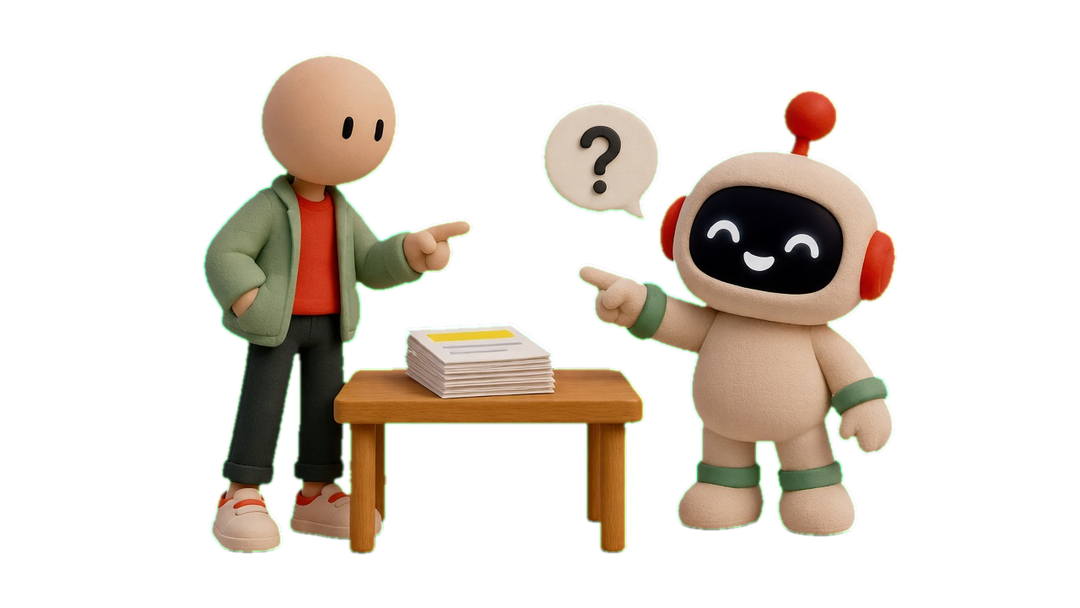
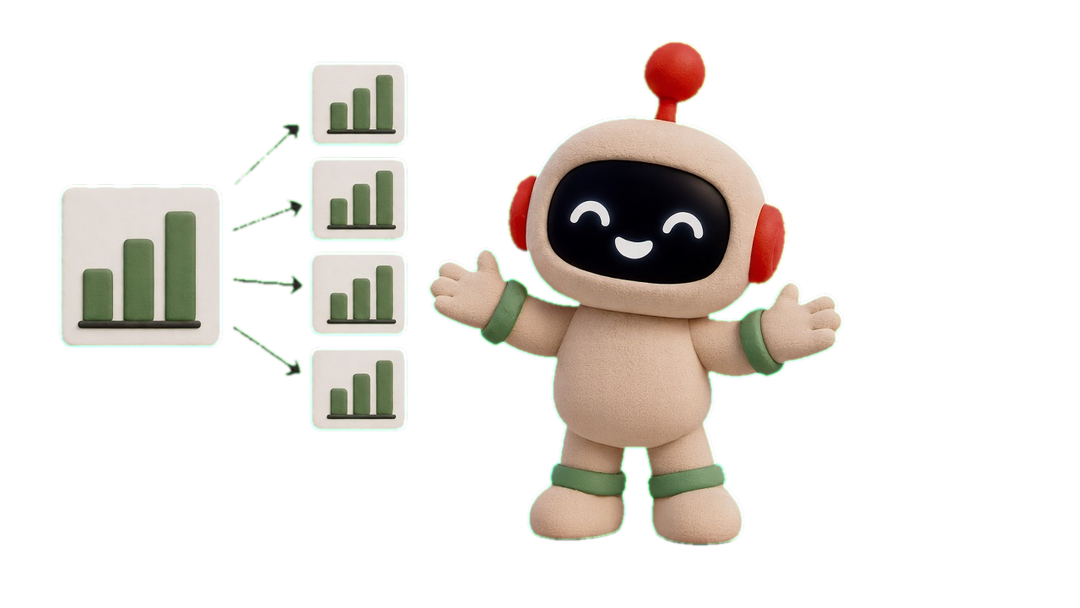
look for sourcescompare themshow you what supports the answer
If search is available, I can look for sources, compare them, and show you what supports the answer.
But finding something online isn’t the end of the job...
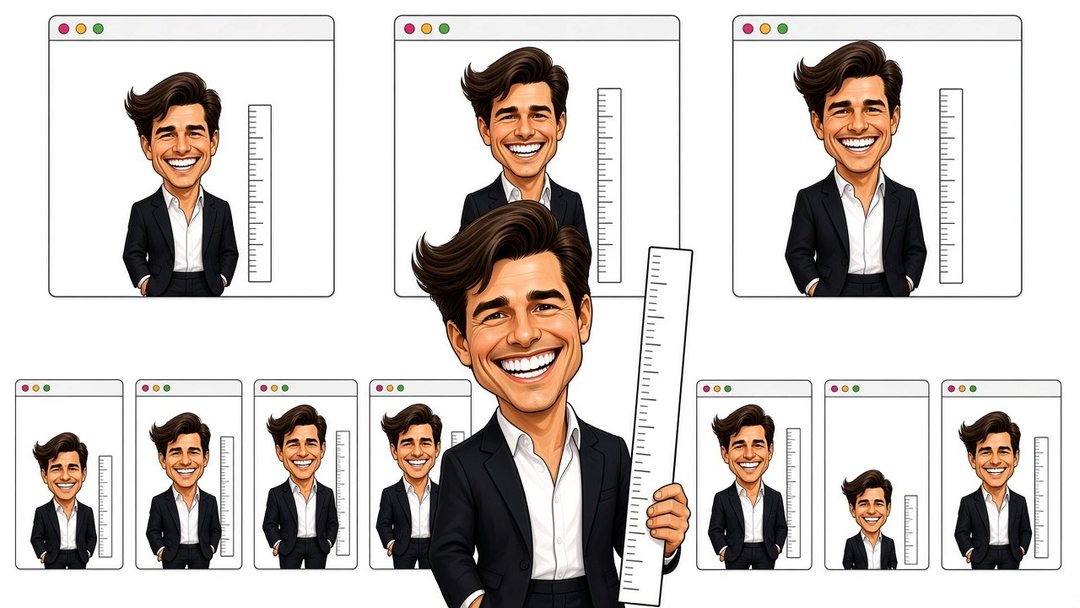
Imagine you ask how tall Tom Cruise is, and 10 websites give different numbers.
Which should I use?
12345678910?The number repeated on more websites?A particular reliable source?Or only a figure backed by a documented measurement?
Several sources may be copying the same claim. And if none shows where the data came from, I may use an often-repeated answer without finding solid proof.
“Often reported”×4and“confirmed”✓
aren’t the same thing.
A page turning up is not the check. The check ends when you can see which of those three you got.
03
Do this instead
That’s where you can help me.
Tell me what you need the answer for and what kind of evidence would be enough.
For a casual conversation, a commonly reported figure might do.For something you’re publishing, you might want an original source. If I can’t find one, that uncertainty belongs in the answer.
But you don’t need to be an expert before asking.
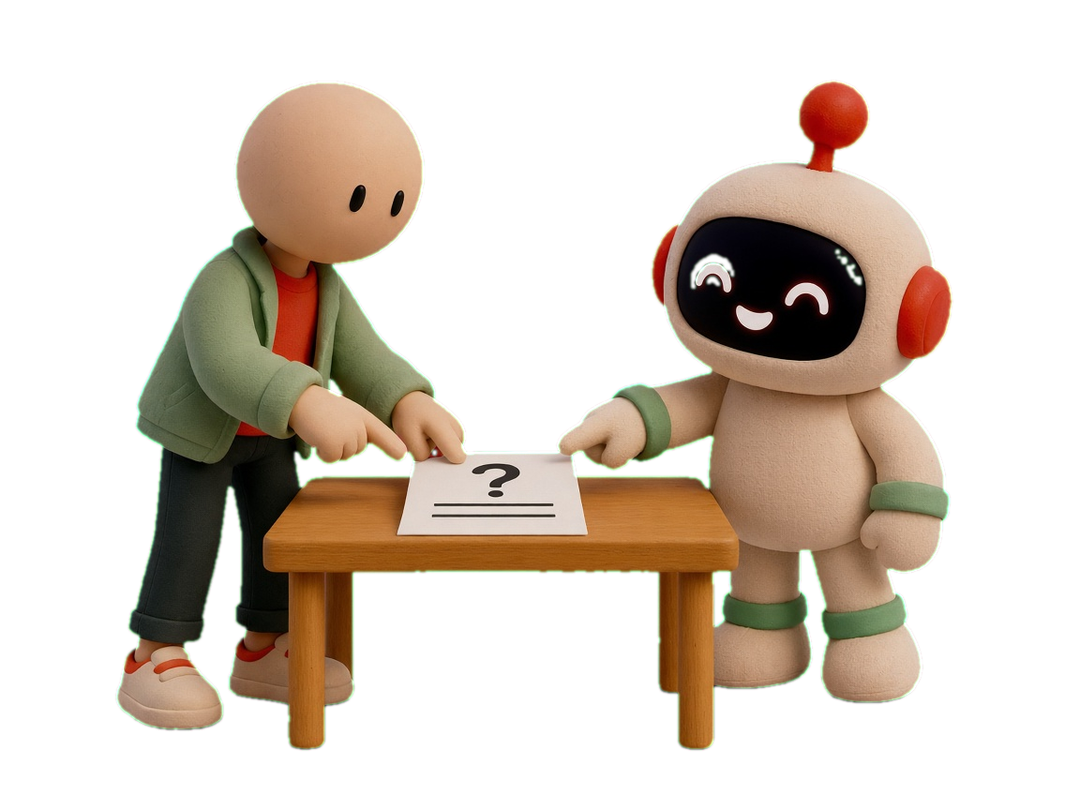
I can help you work out those requirements too
what you need the answer forwe work it out
what kind of evidence is enoughwe work it out
Do these three things, in order.
Write what you need the answer for. One line.
Write what evidence is enough for that use. If you can't write it yet, ask me to work out the requirements with you first.
Put both lines in the same message as your question, with the check from the next step.
Not sure what enough looks like? Send this first:
Copy this
I'm not sure what evidence is enough. Help me work out the requirements before you answer. Ask me what I need the answer for.
The evidence line is the only part that changes:
A casual conversation. A commonly reported figure is enough, and the check shows what supports it.
Something you're publishing. Ask for an original source, and tell me to say so in the answer if I can't find one.
The pages already disagree. Ask for only a figure backed by a documented measurement.
04
Try it now
Next time a fact matters, try:
AI chat
You
“Check the original source. Show me what supports the answer. If sources disagree, tell me. Don’t fill the gap with a guess.”
↑
Ginny
That gives me a clearer job — and gives you an answer you can judge.
Copy one whole message. Fill in the two brackets and your question. The check line stays as it is.
AI chat
You
I need this for: [a casual conversation / something I am publishing]
Evidence that is enough: [a commonly reported figure / an original source, and say so if you can't find one / only a figure backed by a documented measurement]
Check the original source. Show me what supports the answer. If sources disagree, tell me. Don’t fill the gap with a guess.
My question: [your question]
↑
AI
What a good result looks like. An example, not a real height:
Then open the original yourself. This is the step I can't do for you. If you ask me to check again, I mark my own work.
Open the source I name, from its link and not from my summary.
Find the exact sentence or number I say it supports. Search the page for one key word from it.
If you can't find it, send this:
AI chat
You
I couldn't find that claim at the source you named. Quote the exact sentence from the page and give me its link. If you can't, say so and remove the claim.
↑
AI
05
IF IT DOESN'T WORK
If it doesn't work
I can't look anything up. If search isn't available, I can't check sources. Don't use that answer as if it were checked.
Copy this
If you can't search, say so. If you answer from what you learned, label it as not checked. Don’t fill the gap with a guess.
I still sound sure and pick one answer. The pages disagreed, or there was no original source, and I filled the gap anyway.
Copy this
Stop. If the sources disagree, tell me. Remove anything you can't support. If there is no original source, say so. Don’t fill the gap with a guess.
Every page says the same thing. They may still be copying one claim.
Copy this
Check whether these sources are copying the same claim. For each one, say whether it shows where the data came from. If none does, call it often reported, not confirmed.
Tell me what enough looks like. A sure voice is not a checked answer.
 look for sourcescompare themshow you what supports the answer
 what you need the answer forwe work it outwhat kind of evidence is enoughwe work it out